
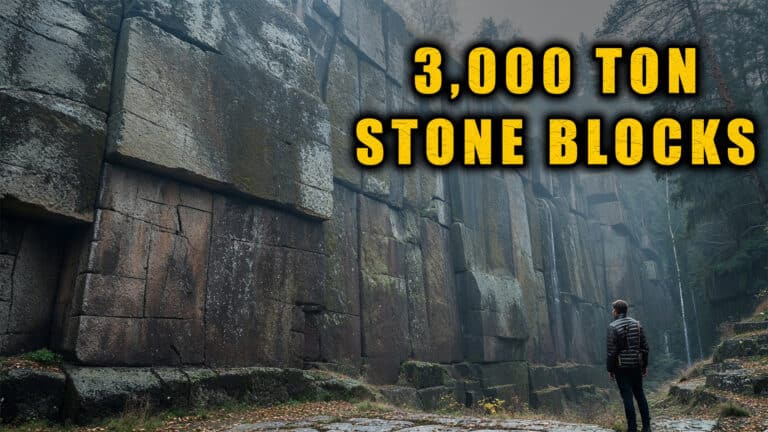

Discovery of Gornaya Shoria Megastructure
In the heart of Southern Siberia, cloaked in the dense embrace of the Shoria Mountains, lies a secret that has slept undisturbed for millennia. It was in this remote wilderness, far from the prying eyes of civilization, that a discovery was made—one that would challenge the very bedrock of our understanding of human history.
It was in 2013 when a team of 19 researchers, led by Georgy Sidorov, embarked on an expedition to explore the area located on Gornaya Shoria, a mountain rising 3,600 feet above sea level. Situated in a secluded region of Russia, this area was once inaccessible, guarded by checkpoints during the Soviet era. The expedition was initiated based on intriguing reports about the presence of numerous unusual megalithic objects in this remote location.
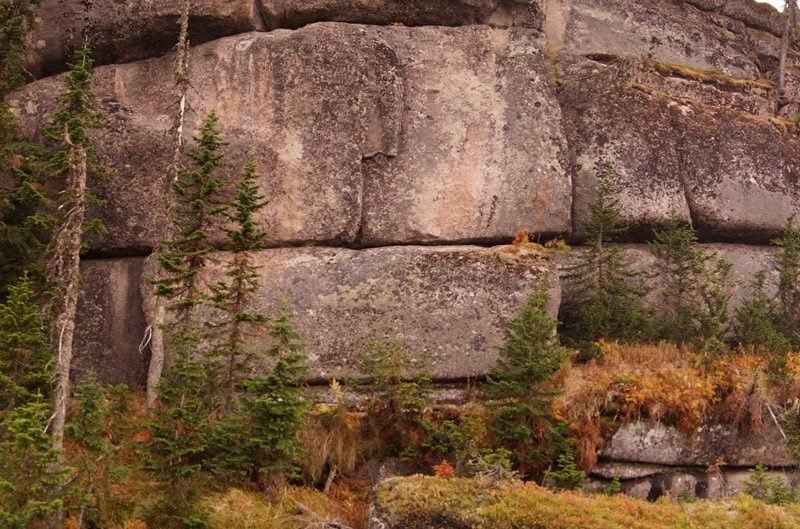
Upon arriving, the research team was stunned by what they found—a gigantic super-megalith, so mysterious that it defied the chronicles of human history.
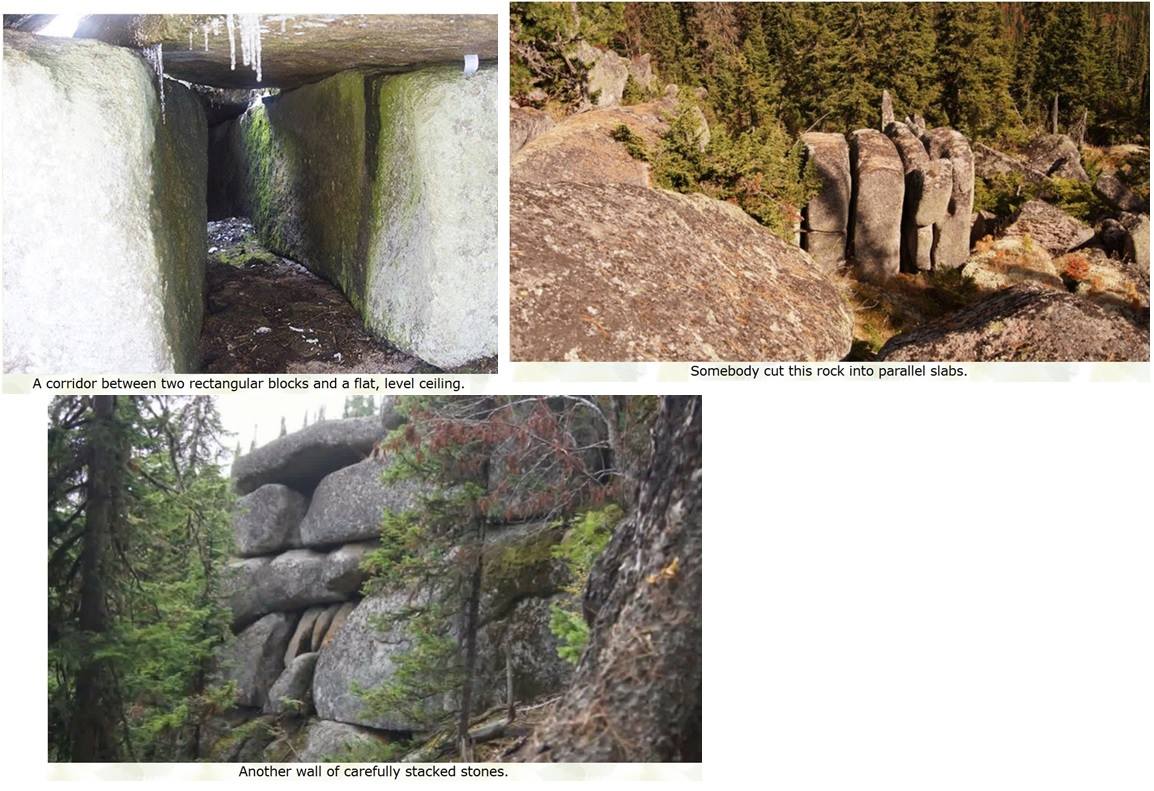
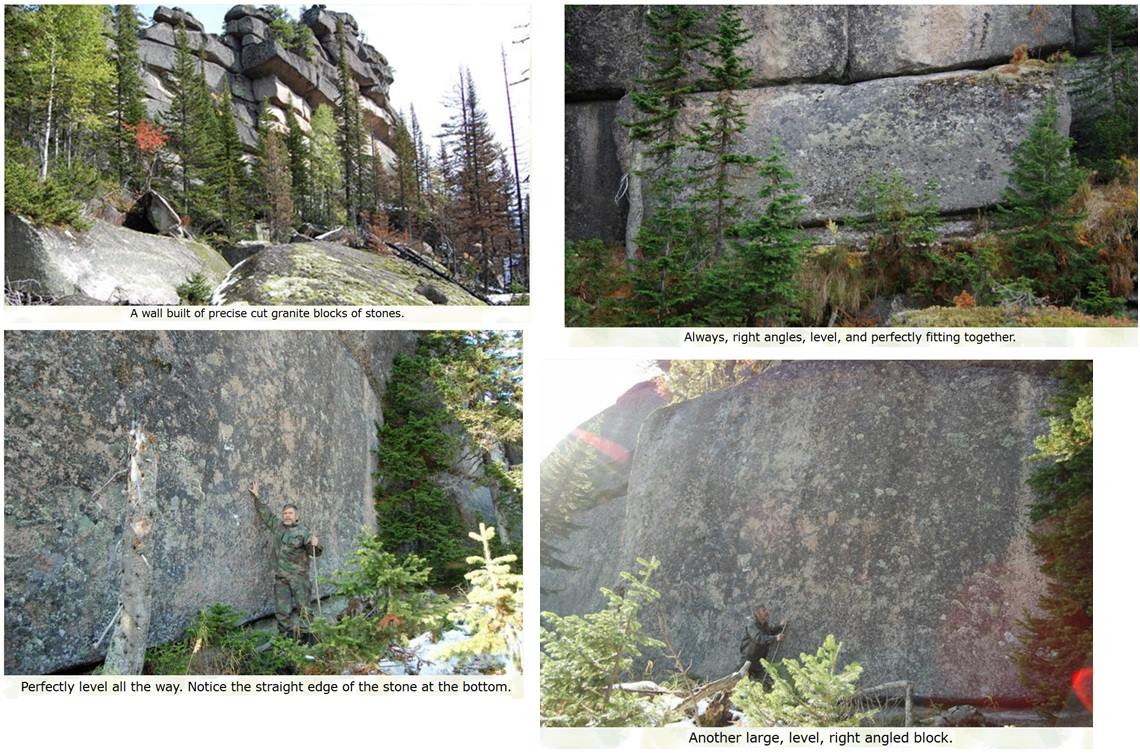
The Gornaya Shoria megaliths consisted of immense granite blocks characterized by flat surfaces and right angles. What was even more shocking was their estimated weight—more than 3,000 tons each—making them the largest megalithic stones ever discovered. The stones appeared intentionally stacked to heights of 135 feet, raising baffling questions about how such enormous blocks could have been carved, transported, and assembled in such a remote and mountainous landscape.
Early testing suggested that the megaliths might be around 100,000 years old, a revelation that pushed back the boundaries of human architecture by tens of thousands of years and hinted at an advanced civilization long forgotten.
Gornaya Shoria Observations and Theories
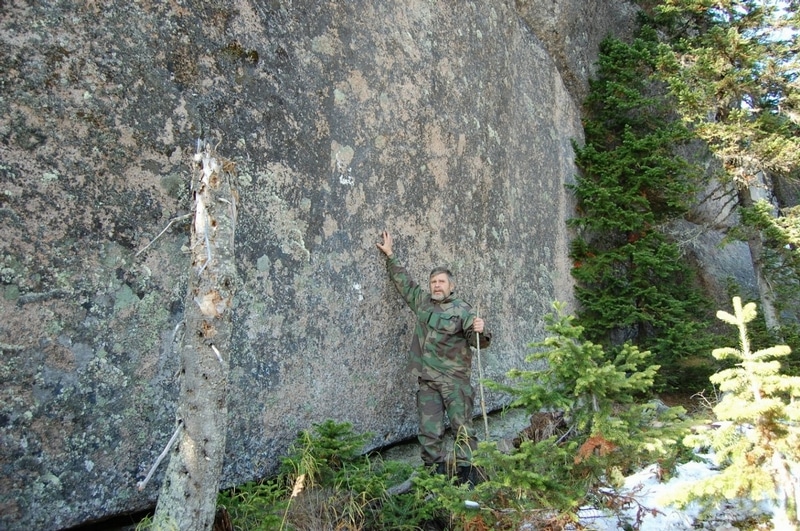
Sidorov’s observations revealed a wall of polygonal masonry roughly 700 feet long, with individual stones measuring up to 65 feet in length and 23 feet in height. Such dimensions represented an almost unimaginable feat given the presumed technological limits of ancient humanity.
He noted the site’s resemblance to Stonehenge and the Egyptian pyramids, suggesting that while the form was familiar, its context and scale were unique. Sidorov and his team speculated that the builders might have belonged to an ancient civilization with advanced technology, capable of feats far beyond conventional historical understanding.
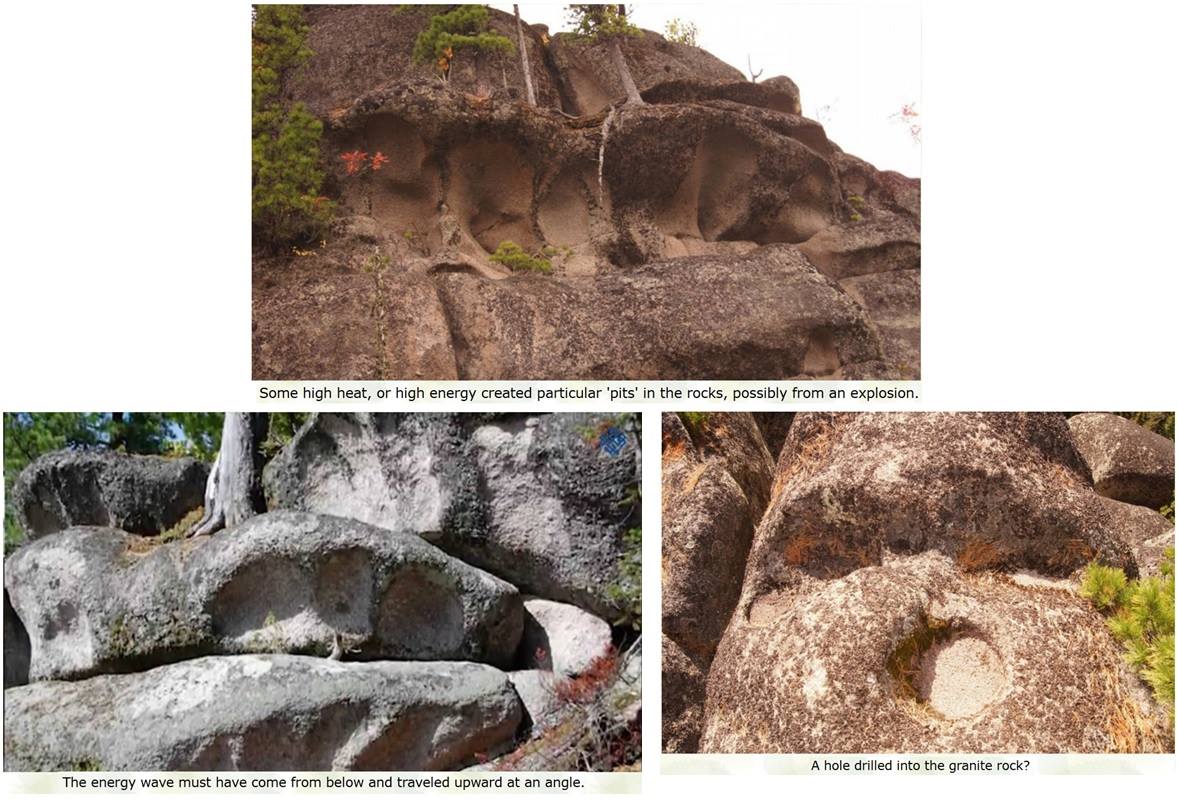
Adding to the mystery, the stones displayed circular holes of perfect roundness and even signs of melting, as if subjected to extreme heat. Sidorov hypothesized that some kind of ancient rock-fusion technique or even a thermonuclear-like event might have caused the deformations and scattered boulders seen across the site.
He also described cyclopean constructions of vertically set boulders nearby and noted that the team’s compasses behaved erratically, deviating inexplicably from the megaliths—possibly evidence of an anomalous geomagnetic field. Similar anomalies have been recorded at other ancient sites worldwide, fueling speculation that ancient builders understood and manipulated Earth’s magnetic forces.
Pre-Historic Civilization in Russia
The discovery raises a profound question: how could an advanced civilization have thrived in such an inhospitable environment?
During the peak of the last Ice Age around 20,000 years ago, Siberia—though cold—was not fully glaciated like Europe or North America. Instead, it was home to the Mammoth Steppe, a vast, dry ecosystem abundant in grasses and large mammals such as mammoths and bison. This environment provided sufficient resources for human survival and even for ambitious undertakings like megalithic construction.
Archaeological finds in Siberia, including 30,000-year-old Ice Age settlements filled with tools, ivory weapons, and butchered bones of mammoths and lions, confirm that humans lived and hunted in the region long before recorded history.
Anthropologist Donald Grayson from the University of Washington noted that these findings represent some of the earliest proven evidence of people living in the frigid lands of Siberia—much earlier than any European or American counterparts.
If the Gornaya Shoria megaliths were indeed erected during this period, it suggests a civilization that not only survived but prospered amid the Ice Age, capable of organization and architectural mastery.
The Gornaya Shoria discovery reignited debates about lost pre-flood civilizations, often mentioned in ancient myths and legends. These stories speak of technologically advanced societies wiped out by global cataclysms—a concept that aligns eerily well with the evidence from Siberia.
Yet, despite its magnitude, no official archaeological follow-up has ever been conducted at the site. The Russian Federation’s official stance remains that the stones are a natural geological formation. But without systematic excavation, this conclusion is speculative at best. The perfect right angles, deliberate stacking, and massive scale strongly suggest human—or at least intelligent—intervention.
Skeptics argue that dismissing the megaliths as natural formations ignores key evidence mirrored in other ancient man-made structures worldwide. Until proper excavation and analysis occur, the possibility that Gornaya Shoria represents remnants of a forgotten civilization cannot be ruled out.

What Could a Proper Excavation Reveal?
What might future research uncover if the site were fully excavated? Could the Gornaya Shoria megaliths finally prove that advanced civilizations existed tens of millennia before recorded history? Or are they simply a geological anomaly that nature crafted into uncanny perfection?
If proven man-made, the implications would be earth-shattering. It would rewrite parts of human history, offering new insights into our ancestors’ technological and architectural sophistication. The discovery in the heart of Siberia remains one of the most compelling enigmas on Earth—an unsolved mystery that challenges everything we think we know about the ancient world.